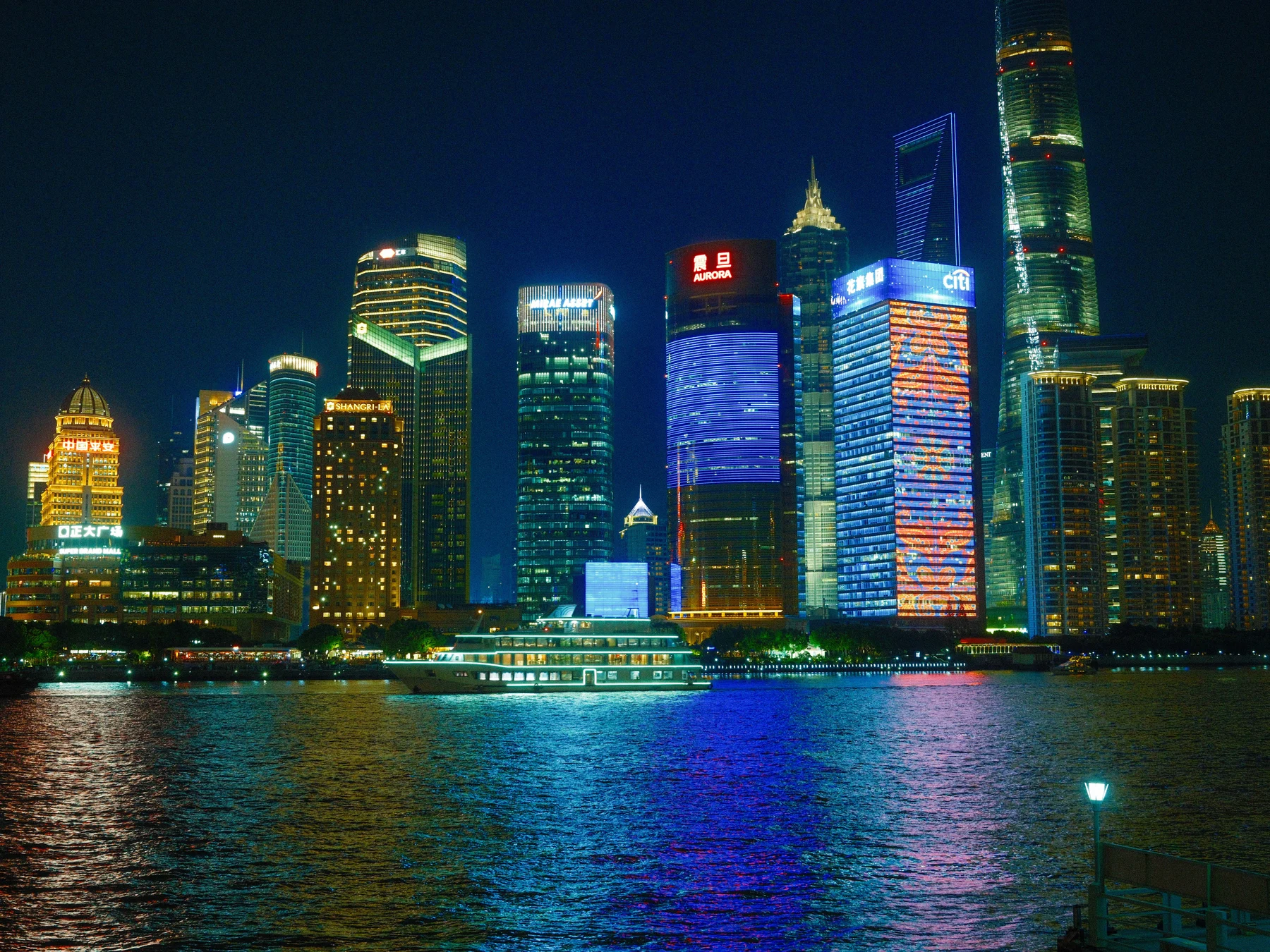
大家好! Hello everyone. The main subject of this post will be the month I spent in the People's Republic of China in the summer of 2025 and the observations I made about this country during that time. However, rather than being just a travel guide or a description of what China is like, this will be a piece where I convey my own observations and share my thoughts on the current world order. I find this article important because it is the most talked-about country in recent years, and when someone mentions China, it is highly likely that what they know comes from what they have encountered or heard on the internet. It turned out to be a piece where I tried to remain quite neutral but also added my own thoughts where necessary. I hope you enjoy it!
First of all, before getting into the subject, I would like to talk about how I went to China, which program I went with, and how the process worked in general. I have been taking Chinese classes at Boğaziçi University for 2 years, and this education was provided by the Confucius Institute located at our school. You can think of the Confucius Institute as a program China uses to provide Chinese language education abroad. These institutes have ties with other universities in China. Since Boğaziçi University has an agreement with Shanghai University, I went to Shanghai University. The program is called the "International Chinese Language Teacher Scholarship", and there are 4-week, one-semester, and 1-year programs available. I participated in the 4-week program, stayed in the dormitory on the Shanghai University campus, and attended Chinese classes for 4 weeks. The conditions required to participate in this program are actually very few; you only need to take the HSK exams, which are Chinese proficiency exams, and apply through the intermediary Confucius Institute. After being accepted, the only thing left to do is the visa application. Since the program itself is government-supported, I applied for an X-type visa, and it was accepted without any problems. The program covers accommodation (there is an extra fee if you want a single room) and tuition costs; only the flight ticket and your food, drink, and general expenses in China are up to you. I was very pleased with the program, and if you have even a slight curiosity about learning Chinese, I definitely recommend it.
So, we can return to the main topic. what kind of country is China? I will explain this subject in two parts: first by describing what kind of place it is based on what I observed objectively, and then based on the impressions it left on me. An important point I need to mention before starting the article is that the cities I stayed in were two of China's four most developed cities: Shanghai and Beijing. Therefore, my observations will be based on these cities, not on life in lower-tier cities (there is a tier system ranging from 1 to 5 for cities in China).
What to Expect in China
Weather
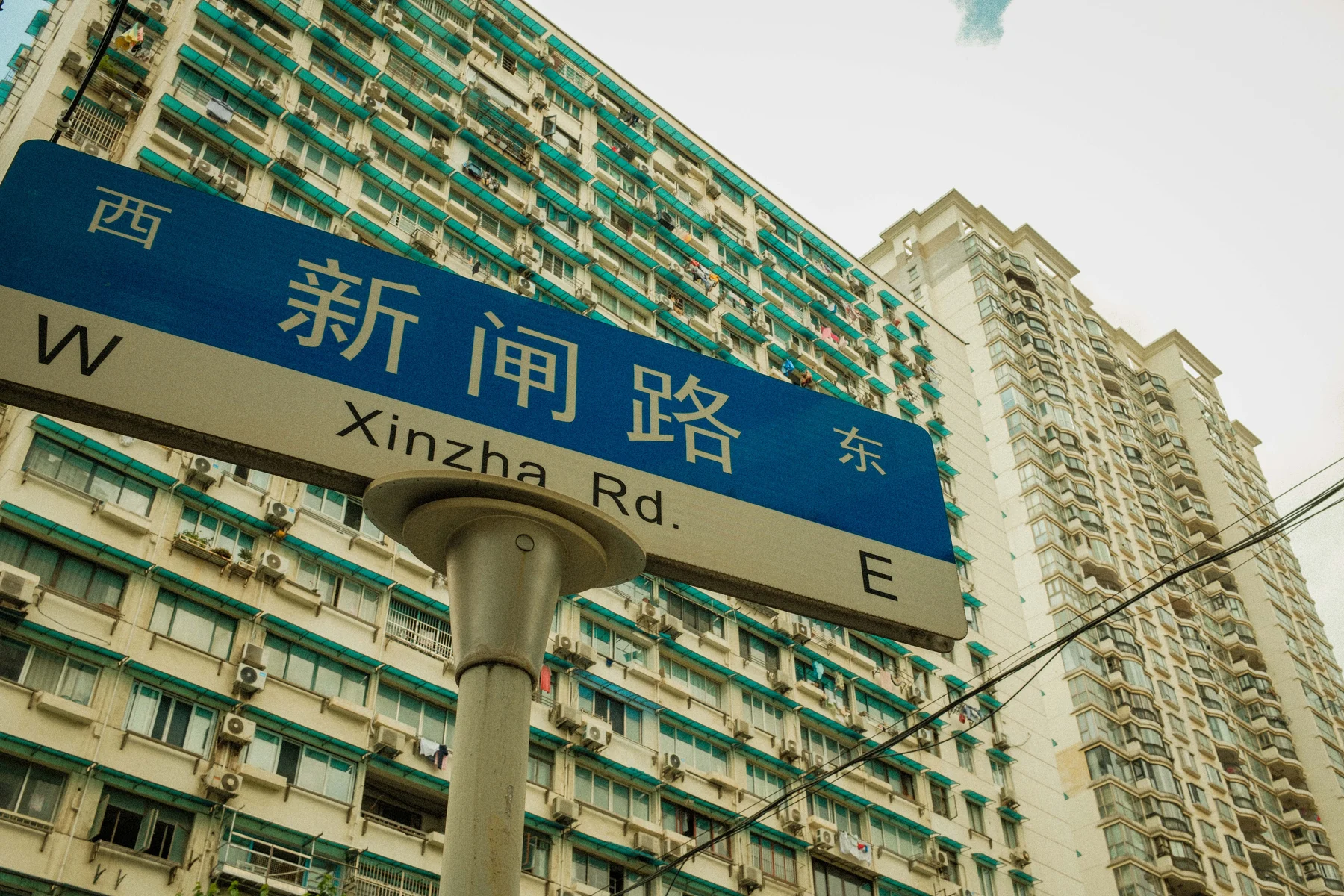
The dates I stayed were between July 10 and August 9, and since it was summer, I think it makes sense to start by talking about the weather and the heat. Because this place does not have a heat you are used to; in fact, there is a situation different from the heat you know. The first place I stepped foot in China was Chengdu, and as soon as I stepped out, the humidity made itself very clearly felt. This place likely has a climate you have never experienced before. It is classified as a subtropical climate, and if you really have reservations about heat and sweat, you may experience difficulties. Because if you think the weather will get a bit better at least when night falls, you are mistaken; you continue to sweat even while standing still at night. Also, another blessing brought by the subtropical climate is the possibility of rain at any time of the day; that's why carrying an umbrella becomes a necessity. However, I must mention that, at least for me, no matter how much I sweated, I did not feel any discomfort like the smell of sweat. In fact, not just from myself, but whether on the metro or the bus, despite all this heat and sweat, it did not create a disturbing situation. Maybe it's a genetic trait, or maybe our sense of smell changed because we were always sweating, I don't know, but I didn't feel uncomfortable. If you ask what China's solution to this heat is, I can say afforestation and personal electronic products. Especially in Shanghai, there were almost no streets or sidewalks without trees. Thanks to this, you can at least walk and breathe without staying under the sun. At the same time, many people had products we could call hand fans or portable fans. I must say that the Chinese are not used to this situation either, because laundry was constantly hanging on the balconies of almost all apartment flats, and there was almost no house without air conditioning.
Knowing and Not Knowing Chinese
The second topic I want to mention is the language barrier and what you will experience in China if you don't speak Chinese. If you don't speak Chinese at all, there will be many places where you will struggle; but you can think of this as a difficulty rather than an obstacle. Even if you think, "No one can be completely ignorant of it, at least there will be someone I can communicate with in English in tourist places," I can say that is not the case. The employee at the hotel reception doesn't know English, you went to a museum and want to buy a ticket; the box office clerk doesn't know English either. Although I very rarely came across employees who knew a smattering of English, the general picture is like this. But if you have patience, you can communicate with translation apps; I haven't seen anyone cause any trouble regarding this. Don't say, "What's the point, I don't know Chinese at all, so going is illogical," because in many places, you can handle your business without needing to communicate. For example, you entered a restaurant, sat at a table, and there is a QR code on the table. When you scan this with Alipay (I will talk about this later) or WeChat, the menu and prices of that venue will appear before you. Then, after selecting exactly what you want and completing the payment via the app, the only part left is to enjoy what you ordered. Or you wanted to drink coffee and came across Luckin Coffee; again, you will enter the Luckin Coffee app through the same applications, select the coffee you want, make the payment, and then pick up your coffee from the branch you selected. I ate in many different places, and in almost 70% of what I ate, you could get what you wanted in this way. From this perspective, you can sustain your life without knowing Chinese, but learning a little bit before coming will significantly increase the enjoyment you get from this trip.
What are Alipay and WeChat
Since the topic came up, let me explain what Alipay and WeChat are and why you will need these apps if you go to China. These apps are referred to as "super apps," and you can think of them as interfaces that act as intermediaries for applications within them. You are going to take the metro, you open Alipay, select transport, and scan the QR code it gives you. You entered a market, you need to pay, you open Alipay and make the payment. Or you entered a random shop in a desolate place selling strange products; they will show you a QR code, after scanning it, a page opens where you enter the amount and make the payment, you enter the required amount and press "pay". You saw a massage chair in a shopping mall; again, you can use it after scanning the QR code from Alipay and paying. I can say that I did not encounter anything I couldn't pay for using Alipay within the 4-week period, and while this might be a bit dystopian, it facilitates many points of life. In my opinion, this is more beneficial for the seller than the payer, because since it is such an easy payment system, you can start selling things even if you are selling the smallest thing. There were many such street vendors or places with stalls making food. Even more interestingly, I even saw a beggar begging with a QR code. That's why I can say the topic of money not being used in China is real. However, if you are knowledgeable about this subject, many people use expressions like "nowhere accepts paper money"; this is not true. Almost everywhere accepts it without trouble when you ask, "Can we pay with cash?". If you don't want to use your phone too much, keep this in mind. I talked about Alipay because I used Alipay; however, logically, WeChat is no different from what I described, I am just not sure if WeChat can be used for transportation, other than that, there is no difference.
Food Culture and Prices
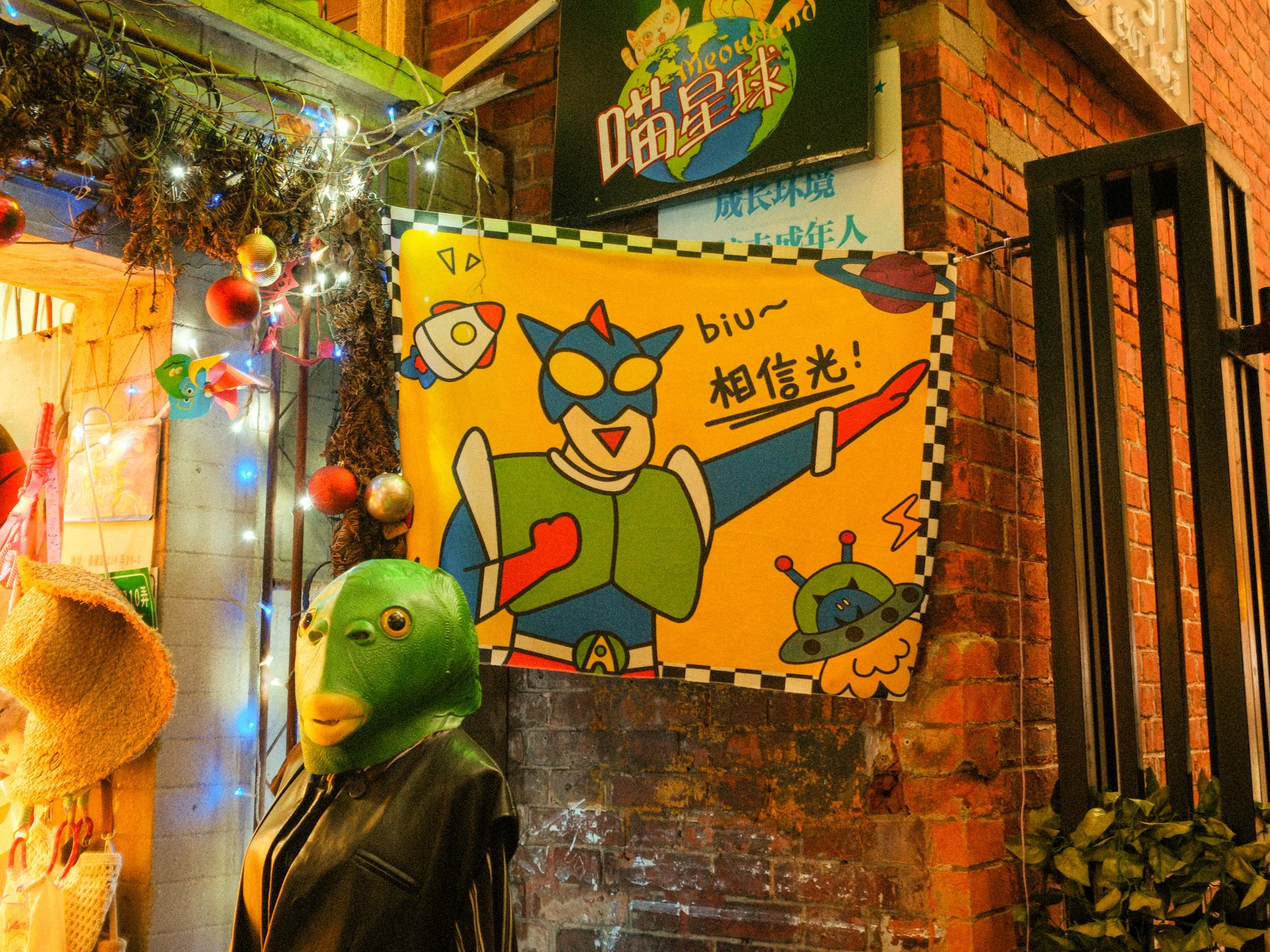
I wanted to handle these two items under the same heading because they differ greatly from Turkey in both aspects. First, I must say this: If you are not very interested in Asian cuisine, you might struggle a bit, in fact, you might struggle even if you are interested because everyone's constitution is different. Speaking for myself, I didn't encounter a single meal I didn't like, and I can say this after eating quite different and varied things. However, since we went as a group, there were people who struggled. So, if you ask what is eaten in China, there will be many answers to this; because China is very crowded, and although it does not have world cuisine varieties like European countries, it is divided according to the cuisines of the regions within itself. Like a Uyghur restaurant, a Sichuan restaurant, or a Shanghai restaurant; nevertheless, there are common dishes eaten all over China. One of my favorites was the large dumplings called 包子 (Baozi) that they ate for breakfast. There are varieties with pork, vegetables, mushrooms, rice, etc., and there is a place where you can eat Baozi on almost every street corner. In fact, it doesn't even have to be a restaurant; there are always some in the hot food aisle in 24/7 markets like Family Mart. Apart from this, there is 煎饼 (Jian Bing) also eaten at breakfast, another type of dumpling called 饺子 (Jiaozi) which is smaller in size, and noodle varieties that come piping hot in a huge bowl with many varieties. Unlike in Turkey, consuming bread with food does not exist; instead, they put rice alongside the meal in a restaurant or cafeteria. This rice is also different from ours, being sticky and oil-free. Fish dishes and varieties are quite abundant, but some of these might be specific to Shanghai; they were served with a sweet sauce. If you are Muslim and have reservations about food, there are Uyghur restaurants with the halal sign (清真) (qingzhen) on their signs, and the food in these is also quite delicious. I especially recommend 肉夹馍 (roujiamo).
So, how are the prices? I am assuming you live in a big city in Turkey; food prices are almost one-third of Turkey's. The Baozi I mentioned averaged 2.5 Yuan per piece; it corresponds to 15 TL with today's exchange rate, and two of them satisfied me very easily. You went somewhere and ordered a noodle with meat, it's around 20 Yuan on average, corresponding to 120 TL. In other words, in a meal where you eat a meat dish and go to a local place, you could easily get full for around 120 TL. This situation changes a bit for Western brands in China. There are many brands like KFC and McDonald's in the country, and their prices remained expensive compared to local places. In my opinion, you don't need to eat there anyway, but if you want to eat, you need to pay an amount like 40 Yuan, that is 240 TL, to get full there. It is understandable that food is cheap, but if you ask how prices are other than food, I can say it is also quite cheap compared to Turkey. When you want to buy something outside, after bargaining (definitely bargain), it becomes cheaper than in Turkey. To give a few examples, I bought a fake Labubu for my cousin, and despite being fake, the price was one-third of the price in Turkey. I bought souvenir fans, again much cheaper than in Turkey. I had a 15-minute massage in a massage chair at a shopping mall, and if I recall correctly, I paid a fee like 40 TL. Plus, if you have time, I recommend buying from places further in rather than buying souvenirs from the first place you see. Because although almost exactly the same things are sold, you can find them much cheaper in some places. Apart from these, to mention the prices of daily expenses, drinks varied between 3 and 4 Yuan; meaning when you want to drink a 330 ml bottle of Coke, you need to pay 18-20 Lira. At the same time, unlike Turkey, there was almost no difference between drink prices in restaurants and markets. Half-liter water prices also varied between 2-3 Yuan.
Transportation
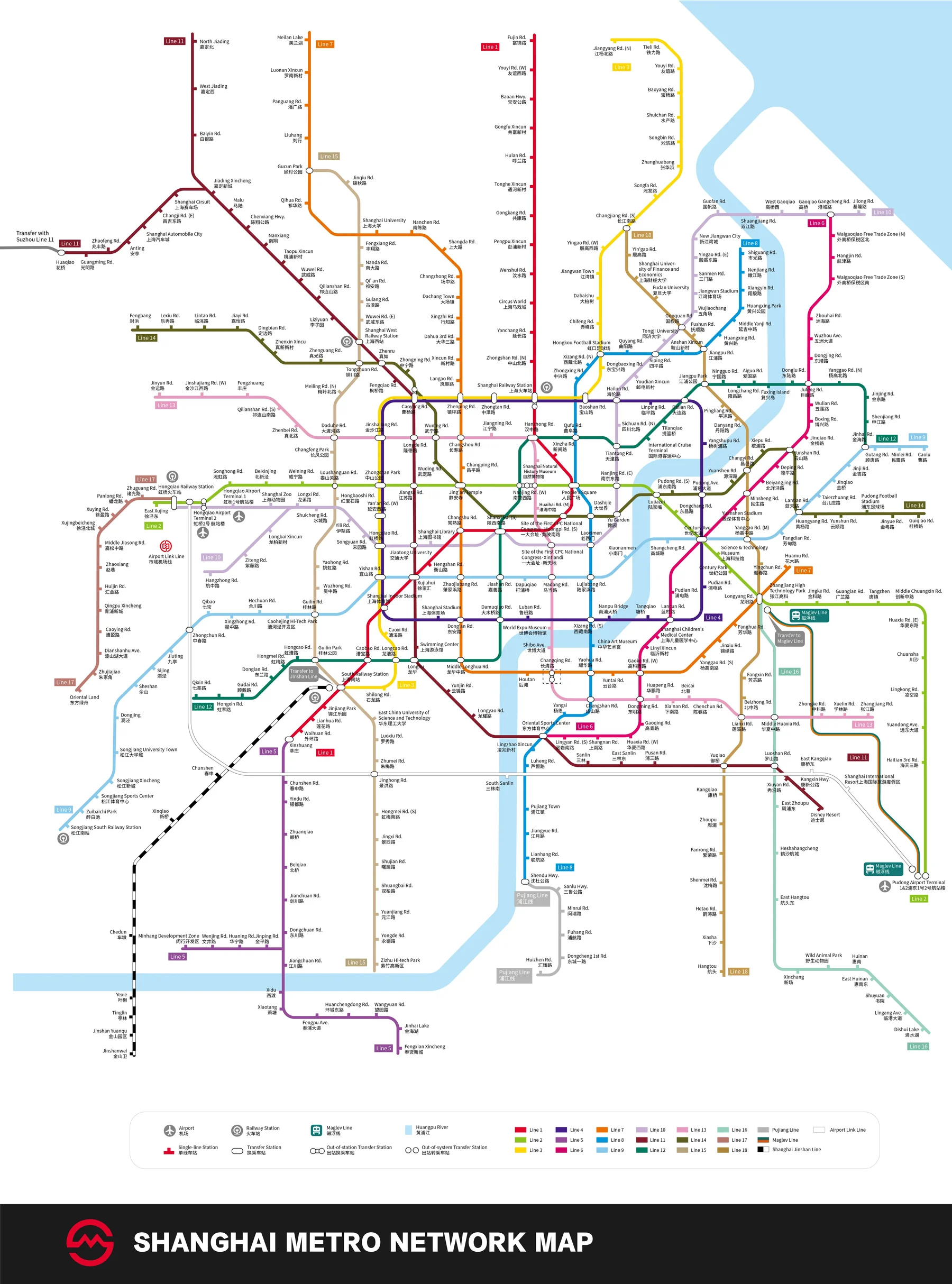
Another topic, transportation, is in my opinion one of the best features of China. Leaving aside the number of varieties and the transportation opportunities provided by the city, the fact that it is quite cheap is a bonus. Based on Shanghai, the city where I stayed, I can say that there were almost no places I couldn't reach using the metro. And I didn't experience any difficulty regarding transferring between lines or finding where to go. As for prices, although I paid full fare, if you don't make a transfer it's 3 Yuan, and an extra 1 Yuan is added per extra transfer; meaning you can provide transportation by metro for an average of 20 TL. Apart from the metro, bus lines are also available; but don't expect to use the bus much because it is a much less used transportation method compared to Istanbul. But it's almost free, you can ride by paying only 1 Yuan. You use all of these by scanning a QR code from the Alipay application I mentioned earlier. The only downside I can mention regarding the metro is that you pass through a security scan at every metro entrance. You can think of it like our shopping mall entrances; if you are carrying a bag or something whose contents cannot be seen, you have to pass it through the band to enter. Apart from that, they don't ask you to leave your phone or wallet. While this is not a problem when there are few people, due to the country's population, it can cause congestion during evening hours on metro lines in certain tourist locations.
The options you can use other than public transport are DiDi, which is China's Uber (actually more advanced), or plain bicycles that are blue and yellow, which you can think of like the "Martı" (scooters) in Turkey. You can use the DiDi application via Alipay if you want, or by downloading its own app. Think of it like the taxi app you normally use; after selecting where you will go, it shows you options and their prices according to these options, then an interface becomes active showing which vehicle will come and where the vehicle is. Here, besides the normal DiDi option, you can also choose to call a regular taxi; but regular taxis are generally more expensive than the DiDi option. To give information on price, a journey of 27 km and averaging between 25-30 minutes costs 85-90 Yuan, that is, between 500-600 TL. I didn't encounter a situation like a minimum fare for short distances; I even took a journey that cost 8 Yuan (45 TL). As for bicycles, you can rent them through applications you can use via Alipay or WeChat again. There is a QR code on every bicycle, and after scanning it, you say "yes" and unlock the bicycle. Afterwards, you can use the bicycle lanes and go almost anywhere in the city. Unlike Martı, the best part is that you don't need to lock the bicycle to any specific place; you just leave it in the parking spot on the sidewalk, press the "lock" option in the application to pay, and nothing else remains. Like taxis, bicycles are also very cheap; riding a bicycle for 15 minutes costs 1.5 Yuan, meaning riding a bicycle for 1 hour costs you 6 Yuan, which is a price like 30-35 TL. In my opinion, if you like riding bicycles, it is one of the most beautiful means of transportation, because in Shanghai and Beijing, even on the smallest road, bicycle and motorcycle lanes are found separately. As a result, you can ride a bicycle with peace of mind without fear of cars. Also, since the cities are generally flat, there is no trouble with hills, and the wind feels good when you go a little fast.
Another topic I want to mention regarding transportation is high-speed trains. I grasped how important and necessary the concept called high-speed train can be for a country at the end of the 1 month I lived in China. Now, however different a country Turkey is, I think you can understand what a useful transportation option it is from the example I will give. Imagine being able to go between Istanbul and Kars in just 4 - 6 hours for a price like 3000 TL. And this journey is not made with mandatory requirements like a plane, you can take whatever suitcase you want, and even if you go to the train station only 30 minutes early, you can get on the train without any difficulty; incidentally, one of these train stations was directly where I stayed, and it took me about 20 minutes to arrive. So, imagine that by paying 3000 TL, you can go from one end of Turkey to the other by leaving the house you live in only 1 hour early and arriving within 6 hours; it really is a great convenience. In fact, if we apply this example to Istanbul - Ankara in Chinese standards, imagine that you can go between Istanbul and Ankara city centers in the 1 - 2 hour range for 1000 TL. Yes, it really provides great convenience.
Urbanization, Order, and Parks
I talked about the weather, transportation, prices, and many topics; but for me, the most beautiful part of China was the order in the cities and the importance given to urbanization. As someone who has lived in Istanbul for almost 5 years and in Turkey for all 24 years, saying "such a life was also possible" gave me pain. Because really, after seeing it with my own eyes, yes, it could be done if desired. Although I generally used the metro during my stay in Shanghai, I also took taxi and bus journeys, and in this city where a total of 24 million live, I did not get stuck in traffic even once. At the very top of the reasons for this comes planned urbanization. On almost every road in the city, the motorcycle and bicycle lane is located on the right and left sides, separate from the car road. Thanks to this, motorcycles and cars only interact with each other at traffic lights in traffic. In my opinion, thanks to these separate roads, people trust riding motorcycles more, and that's why a lot of people have motorcycles. And really a lot of people have motorcycles; from the smallest to the oldest, there are a thousand and one different kinds of motorcycles. People also like to customize their own vehicles (a small motif, toy, etc.), and since most of the motorcycles are electric, I was not disturbed by the presence of motorcycles as much as in Istanbul. The reasons for the traffic being this relaxed are not only due to urbanization but also the government's measures against this. First of all, not everyone who wants to can buy a car to use within Shanghai; for this, a certain number of license plates are put on sale every month. You might say, "there are cameras everywhere and people obey all the rules because of this, that's why there is no traffic," but I am not sure about this. There were cars and motorcycles passing on red lights, and they were all doing this right in front of the cameras. If there were such a situation, I don't think they could pass on red so comfortably.
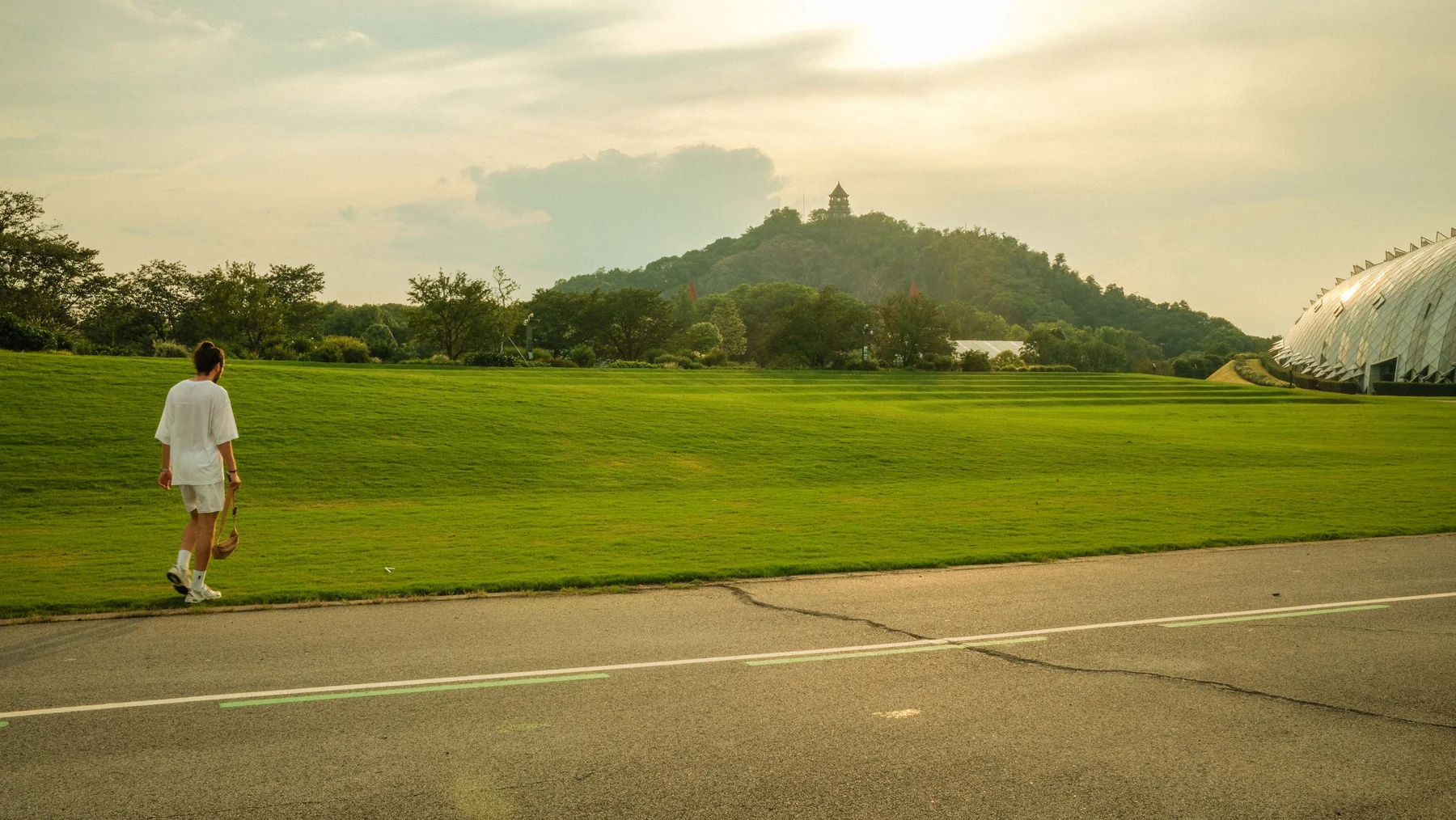
The most beautiful part of urbanization for me was China's parks and the importance given to greenery. Yes, maybe a small detail for most people, but an important detail when talking about China. I think there are a few reasons for this; firstly, it is a really crowded country, and a person can inevitably drown in this crowd. But thanks to the surrounding parks and the abundance of green space in general, a person can create places for themselves to breathe. And these parks I mention are not simple parks with two small slides; you can think of them as complexes that are large and host multiple facilities. For example, there were two large and one medium-sized park close to the dormitory where I stayed. The first of these was Daning Park; inside, one side of the artificial pond was made into a beach for children to play. Families could come here with their children and spend time as if they were by the sea. At the same time, in this park, there were paddle boats you could ride, fountain shows performed at certain times of the day, a small bamboo forest, and a lotus lake that blooms at a certain time of the year. In Luxun Park, which remained a bit further away and was my favorite place in China, there was an artificial waterfall, three museums, a sports complex for the young and old, and an artificial pond with ducks and geese. In addition to these facilities, people also loved using parks as a communal area. At any time of the day, you can watch an elderly person who has brought their instrument playing just for pleasure, or you can see dance groups that appear in the evening hours. Although I don't know how frequent it is, I came across a live choir performance one evening. In addition to all this, despite the population, I was only in a park that could be called crowded once, and there was an event at that time. The picture below is a shot from Chenshan Botanical Park, which I went to on the last day. If you go to Shanghai and have time, I recommend stopping by.
Social Credit Score and Lies About China
Another topic I want to talk about is the hearsay information we come across on the internet about China and whether this is true. First of all, the topic I want to mention is the social credit issue. To put it in a single sentence, there is no such thing. Meaning, there is no system like you imagine where a camera watching you everywhere increases or decreases your score with your every move. It is a system not much different from the credit score we are familiar with today. This score, possessed by individuals and companies, provides advantages in some matters if it is a high score, and disadvantages in some matters if it is low. The text below is taken from Chinese official sources and mentions the sanctions to be applied as punishment:
Those included in the list of seriously untrustworthy entities are restricted or prohibited from applying for government funds, benefiting from tax incentives, participating in public resource trading activities, issuing stocks and bonds, conducting merit assessments, civil servant recruitment, selection, transfer and appointment, and public procurements made by public institutions in accordance with laws and regulations. The list of seriously untrustworthy entities is included in the real estate market, internet, human resources market, and medium and long-term energy contracts. Unified management of punitive measures for untrustworthiness and lists of seriously untrustworthy entities is implemented.
Sanctions against individuals are a bit more vague because initiative in this regard varies according to local administrations, and different practices exist. Various sanctions can be found as elements that will not prevent ordinary life but will make it difficult, such as not being able to buy first-class tickets on high-speed trains or restrictions on some public services. But as I said at the very beginning, a camera watching you does not update your score every second; because if there were such a thing, I don't think anyone in the country would have a good score. There are those who pass on red lights, seeing an elderly person gambling on the street at night is already one of the most ordinary situations, or even men peeing on the street, although rare… However, although there are no hours or any restrictions on alcohol sales, I never saw anyone drinking alcohol in parks or on the street. Despite there being no prohibition and alcohol consumption being high in the country (4.5 liters per capita as of 2020), people seemed to prefer drinking at home and in venues.
What Did China Make Me Feel?
What I will talk about from here on will be my own observations about China. However, while making these observations, I will convey my observations not as a China lover, but as a very sensible human being. I hope you will be pleased.
I Wasn't Expecting Such a Country
This will be my first heading in the article, and in my opinion, it is a striking heading that forms the main idea of everything I actually want to tell. Because no matter how much reading I did about China, the country and life I encountered were never as I expected. You can take this in a good or bad way, but the main point I want to draw attention to is that there is a China different from what is told. I don't know what the reason for this is; however, every person thinks of something else when China is mentioned. Some think of a black hole where every living thing is eaten, while others think it is a dystopian surveillance and police state country, which I think has been more popular especially recently. Even further, some might think it has built a civilization that is very developed and even ahead of the West. But after spending 1 month and actually even with what I observed just by going out the first evening, I can say that this country is not like what is described, in fact, it does not fit any description you have in mind. Because the country I encountered was a perfectly normal country.
What do I mean when I say this? Actually, it's very simple: I'm talking about there not being a stereotyped populace. Yes, there were cameras everywhere; our bags were checked at every metro station; but there wasn't a country that was a control freak and looking for a place to punish its citizens. To put it openly, after seeing the density of cameras from the first moment I arrived in the country, I thought, "Yes, there is a police state here and people are controlled in a punitive manner against their will." But when I went out to eat something on the very first evening, my mind changed after seeing motorcycles randomly passing on red lights, a citizen who saw no harm in peeing on the street, and elderly people setting up tables on the street and gambling around 10 PM.
No matter how many cameras there are, no matter how much the state sees this, there were certain limits between it and its citizens, and the state was quite aware of this. The state keeps its limits while intervening in these people's lives; and citizens respected the limits set by the state in their own way. Before labeling this as being a "Sinophile" (Pro-China) while saying this, I recommend you think one more time. Because I am not saying that the people in China are very happy and the state manages the society perfectly. On the contrary, against these expectations, I am talking about a country with vibrant dreams and anxieties about its future just like us.
So, I want to talk about a people exactly like us but also a little different from us. It is obvious that these people work hard, in fact, there were so many couriers that the fact that there might be more couriers than in our own country surprised me quite a bit. But besides these, there was a trait different from us, which was very important: These people seemed to be able to dream, no matter how difficult dreams they established regarding the future, and this is very important. These people grew up in a country progressing and developing before their eyes, and they continue to experience this every day. Yes, there was too much difficulty, too much fatigue, and too much ruthlessness; however, beside this, I saw hope. And this was a feeling that unfortunately I haven't been able to observe in my own country for a long time. Of course, this is my view and an observation made only by being in China's developed cities; but I would like to explain the reasons for this observation briefly.
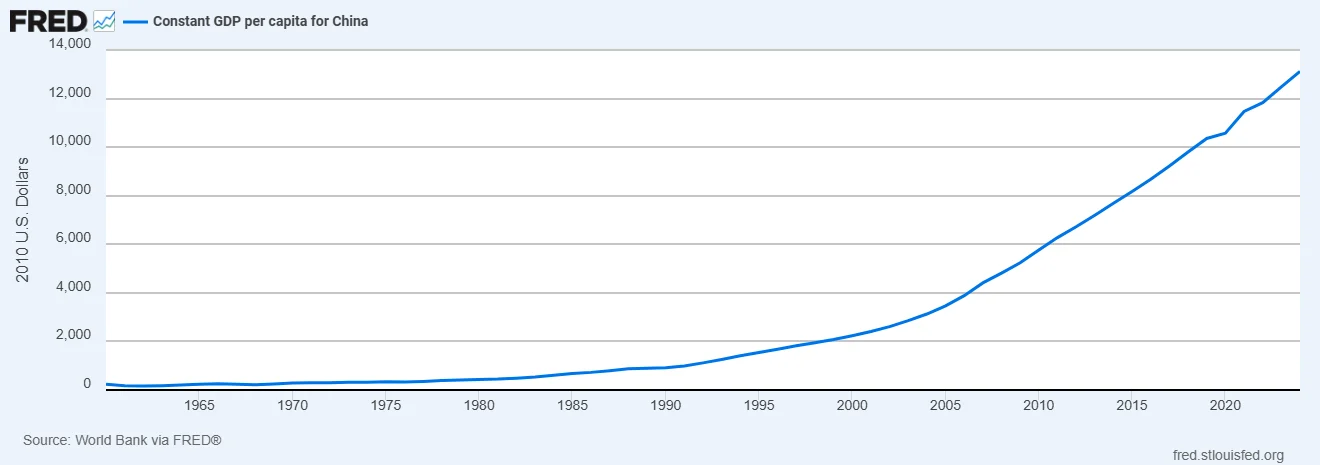
The first point I want to mention is the country's development and people witnessing this in every moment of their lives. As can be easily seen from the graph below (although I don't think it's a logical metric to decide this), people's lives are progressing positively day by day and this has been going on for a long time.
The reflection of this showed itself quite a lot in the differences between the young and old populations in China. Since almost all of the elderly came from poverty, there were many differences between them and the young population. It was as if the elderly were in another country, and the young were in another country. In terms of speaking, it was almost impossible to communicate with the elderly; because instead of the Chinese taught in schools now and known as 普通话 (Putonghua), they were speaking with the dialect of the region they grew up in. Many elderly people still did not refrain from spitting everywhere. Or the habit of men pulling their tops up to their chests due to the heat, which has passed into the literature as the "Beijing Bikini", was almost nonexistent among the youth. Apart from these, whether it be clothing styles or attitudes and behaviors in life, the difference was striking.
The second and another item I think is important was the state making its people feel that it is by their side in every field. I am having a bit of difficulty regarding how I should explain this; because we did not grow up in such a society and I haven't seen anything close to this in the societies I could observe. But what I mainly want to say is that something happens in this country every day and this happens before the eyes of these vibrant people. The simplest example I will give will be the work done where I stayed. I stayed in a place called 盐城路 (Yancheng lu) for a month and the nearest metro station to where I stayed was around 200 meters away. Maintenance work was done twice in total on the road where this metro station was located, and these were done at separate times, especially at night so as not to disrupt traffic. Apart from that, right at the entrance of the metro station, a huge wall was completely renovated and an art piece was made. Apart from what the state did, the exteriors of three or four apartment buildings were renovated, the washing machines in the dormitory where I stayed were changed, and a system paid with Alipay was adopted.
Apart from this development and transformation, the state being actually by the side of its people was striking. In every region of the city, on separate walls, the names of police officers (I am not exactly sure but somehow state employees) were written and these people's numbers were shared. These people assumed a role like the person responsible for that region. The service buildings built by the party for the public were also striking everywhere. These buildings contained public cafeterias like the ones Istanbul Metropolitan Municipality (İBB) makes; at the same time, they were like complexes where separate trainings were given for every age. In fact, even I participated in a tea tasting event through our teacher at Boğaziçi.
The strangest thing was that there were public toilets even in the most remote corners of China and at least two employees were constantly cleaning them. The most extreme example I can give to this will be a public toilet in a settlement I went to in Hangzhou where there was really no one else but us, and the two old women working there. Because seeing this really surprised me quite a bit. Maybe an area of 200-300 meters and there is no one else but us; despite this, that toilet is still working and was spotless. In the trekking spots found here, every 100 meters, there were buttons to contact the police if there was a problem.
China and LGBT
Maybe this subject may not seem very important; but in my opinion, it needs to hold an important place in today's society and I want to talk about this subject as well. Because although the media we think of portrays these subjects as taboos for China, I need to say that I did not encounter a frame very different from Turkey during the month I lived there. First of all, the thing I need to say is the reality that there are homosexuals in this country and people know this. Meaning, there were no closeted gays and lesbians; I saw that there were openly gay and lesbian people. Yes, like European countries, these people do not have rights like marriage rights or inheritance rights like hetero couples; but they still live and show their existence.
What I can give as examples to this are a lesbian bar I saw in a random corner of Shanghai, men comfortably holding hands and walking on the road, and gay comic book characters called danmei that appeared before me at many points. Although there can be sanctions against these characters and the cartoonists who draw these comics, these characters were quite inside life, showing their existence in advertisements. Of course, the inference that "China is a wonderful place for LGBT individuals" cannot be made from here; but people live somehow and can show their existence, I wanted to explain this.
China and the Future
Why China and why this country will make a name for itself more in the future, I want to explain this with my own views in this part. This country is developing with its population of 1.4 billion and this development... to Western civilizations